Hi Missy! You asked me if I had any information on apples and Gout. Well I found this information that I think you might find interesting. Let me know what you think, OK?
'Apples are regarded as an excellent source for curing gout. The malic acid contained in them is believed to neutralise the uric acid and afford relief to gout sufferers. The patient is advised to take one apple after each meal. '
'Apples are regarded an excellent food medicine for gout, arthritis and rheumatism especially when these diseases are caused by uric acid poisoning. The malic acid contained in them is believed to neutralise the uric acid and afford relief to the sufferers. Apples, boiled to a jelly, make a very good liniment for rheumatic pains. They should be rubbed freely on the affected area. '
Friday, March 30, 2007

Thursday, March 29, 2007
what you need
Hi everyone! Here is some great advic o what you need if you hae gout. Keep this in mind:
What You Need:
Diet low in purines.
Medication to control pain.
Medication to control inflammation.
Medication to control level of uric acid.
What You Need:
Diet low in purines.
Medication to control pain.
Medication to control inflammation.
Medication to control level of uric acid.
Tuesday, March 27, 2007
Tips for Gout patients
Tips:
Maintain adequate fluid intake.
Keep your weight under control. Obesity has been linked to gout.
Dietary changes can help prevent gout attacks. Avoid a purine-rich diet. Reduce alcohol consumption.
Medications can help control pain and inflammation of a gout attack and help prevent future attacks by eliminating excess uric acid or affecting the production of excess uric acid.
Be compliant with the treatment plan your doctor recommends.
Maintain adequate fluid intake.
Keep your weight under control. Obesity has been linked to gout.
Dietary changes can help prevent gout attacks. Avoid a purine-rich diet. Reduce alcohol consumption.
Medications can help control pain and inflammation of a gout attack and help prevent future attacks by eliminating excess uric acid or affecting the production of excess uric acid.
Be compliant with the treatment plan your doctor recommends.
Monday, March 26, 2007
Different Gout Treatments
Corticosteroids or adrenocorticotropic hormone can be used for patients who cannot take NSAIDS or colchicine. Patients with acute gout typically receive daily doses of prednisone (20-40mg) or its equivalent for 3 to 4 days, then it is tapered gradually over one to two weeks. ACTH is administered as an intramuscular injection (an initial dose and subsequent doses over several days as needed).
Allopurinol (brand name - Zyloprim) is prescribed for chronic gout or gouty arthritis and works by affecting the system that manufactures uric acid in the body. It is used to prevent gout attacks, not to treat them once they occur.
Probenecid (brand names - Benemid, Probalan) is prescribed for chronic gout and gouty arthritis. It is used to prevent attacks related to gout, not treat them once they occur. It acts on the kidneys to help the body eliminate uric acid. Probenecid is known as a uricosuric agent.
ColBenemid (other brand names are Col-Probenecid and Proben-C) is a gout medication that contains Probenecid, which is a uricosuric agent, and Colchicine, which has anti-gout properties.
Sulfinpyrazone (brand name - Anturane) is also known as a uricosuric agent and is used to treat gouty arthritis. It works by lowering the amount of uric acid in your blood, preventing gout attacks. The drug helps prevent attacks but is not used to treat an attack once it has started.
Losartan, (brand names - Cozaar and Hyzaar), is not specifically a gout medication but is an angiotensin II receptor antagonist, antihypertensive drug that may help control uric acid levels. Fenofibrate, (brand name - Tricor), is not a specific gout medication but it a lipid-lowering drug that may help uric acid levels.
Analgesic painkillers are also used to relieve the intense pain of gout. All of the aforementioned drugs can be used in combination, to control symptoms, prevent future attacks, and maintain healthy uric acid levels.
Allopurinol (brand name - Zyloprim) is prescribed for chronic gout or gouty arthritis and works by affecting the system that manufactures uric acid in the body. It is used to prevent gout attacks, not to treat them once they occur.
Probenecid (brand names - Benemid, Probalan) is prescribed for chronic gout and gouty arthritis. It is used to prevent attacks related to gout, not treat them once they occur. It acts on the kidneys to help the body eliminate uric acid. Probenecid is known as a uricosuric agent.
ColBenemid (other brand names are Col-Probenecid and Proben-C) is a gout medication that contains Probenecid, which is a uricosuric agent, and Colchicine, which has anti-gout properties.
Sulfinpyrazone (brand name - Anturane) is also known as a uricosuric agent and is used to treat gouty arthritis. It works by lowering the amount of uric acid in your blood, preventing gout attacks. The drug helps prevent attacks but is not used to treat an attack once it has started.
Losartan, (brand names - Cozaar and Hyzaar), is not specifically a gout medication but is an angiotensin II receptor antagonist, antihypertensive drug that may help control uric acid levels. Fenofibrate, (brand name - Tricor), is not a specific gout medication but it a lipid-lowering drug that may help uric acid levels.
Analgesic painkillers are also used to relieve the intense pain of gout. All of the aforementioned drugs can be used in combination, to control symptoms, prevent future attacks, and maintain healthy uric acid levels.
Saturday, March 24, 2007
Recommendations for gout patients
Dietary alterations are recommended, such as avoiding a purine-rich diet. Other preventive measures include maintaining adequate fluid intake, weight reduction, reduction in alcohol consumption, and medications to reduce hyperuricemia.
Medications for gout include:
non-steroidal anti-inflammatory drugs (NSAIDS)
colchicine
corticosteroids
adrenocorticotropic hormone (ACTH)
allopurinol
probenecid
sulfinpyrazone
NSAIDS, specifically indomethacin, are commonly the first medication prescribed to treat acute gout. Other NSAIDS may be equally effective. NSAIDS are initially prescribed at maximum dosage and reduced as symptoms subside. The medication should be continued until pain and inflammation are non-existent for at least 48 hours. NSAIDS which are COX-2 inhibitors may be useful for patients with gastrointestinal concerns but their use for acute gout has not been specifically reported yet.
Colchicine is used to treat acute flares of gouty arthritis and to prevent recurrent acute attacks. Colchicine does not cure gout or take the place of other medicines that lower the amount of uric acid in the body. It prevents or relieves gout attacks by reducing inflammation. Colchicine may be used in 2 ways: some people take small amounts of it regularly for months or years, while others take large amounts of colchicine during a short period of time (several hours).
Medications for gout include:
non-steroidal anti-inflammatory drugs (NSAIDS)
colchicine
corticosteroids
adrenocorticotropic hormone (ACTH)
allopurinol
probenecid
sulfinpyrazone
NSAIDS, specifically indomethacin, are commonly the first medication prescribed to treat acute gout. Other NSAIDS may be equally effective. NSAIDS are initially prescribed at maximum dosage and reduced as symptoms subside. The medication should be continued until pain and inflammation are non-existent for at least 48 hours. NSAIDS which are COX-2 inhibitors may be useful for patients with gastrointestinal concerns but their use for acute gout has not been specifically reported yet.
Colchicine is used to treat acute flares of gouty arthritis and to prevent recurrent acute attacks. Colchicine does not cure gout or take the place of other medicines that lower the amount of uric acid in the body. It prevents or relieves gout attacks by reducing inflammation. Colchicine may be used in 2 ways: some people take small amounts of it regularly for months or years, while others take large amounts of colchicine during a short period of time (several hours).
Friday, March 23, 2007
Interesting Gout facts
Typically, gout patients are about 95% men, 5% women. An initial attack of gout (50% of initial attacks involve the big toe) may last several days and disappear even if untreated. Subsequent attacks may not occur for weeks, months, years, or not at all. In severe cases, repeated attacks occurring over a long period may cause damage to the joints and loss of mobility. The big toe is eventually affected in 90% of cases. Knowing how to treat gout is important for preventing attacks.
Gout is often related to an inherited abnormality in the body to process uric acid. Uric acid levels can become elevated by eating alot of purine-rich foods such as meats, by the overproduction of uric acid by the body, or if the kidneys do not eliminate excess uric acid.
Treatment goals include terminating acute gout attacks, rapid and safe relief of pain and inflammation, preventing future attacks, and avoiding complications (formation of tophi, kidney stones, and joint destruction).
Though gout treatment is most often treated successfully and without complications, it becomes more of a challenge if other conditions exist along with gout or if there is poor patient compliance to recommended lifestyle changes or a medication regimen.
Gout is often related to an inherited abnormality in the body to process uric acid. Uric acid levels can become elevated by eating alot of purine-rich foods such as meats, by the overproduction of uric acid by the body, or if the kidneys do not eliminate excess uric acid.
Treatment goals include terminating acute gout attacks, rapid and safe relief of pain and inflammation, preventing future attacks, and avoiding complications (formation of tophi, kidney stones, and joint destruction).
Though gout treatment is most often treated successfully and without complications, it becomes more of a challenge if other conditions exist along with gout or if there is poor patient compliance to recommended lifestyle changes or a medication regimen.
Thursday, March 22, 2007
Disease of Kings
What is gout? What causes it and how is it treated?
Gout is the oldest known form of arthritis. It has been referred to as the "disease of kings," because it was mistakenly believed that overindulgence of food and wine, which only the wealthy could afford, was the cause of the illness. The truth is, anyone can be affected by gout, and food and wine are not the only causes of this type of arthritis.Symptoms of gout start suddenly, sometimes waking a person from sleep. Usually, one joint is affected; the big toe is most common. The area is swollen, red and extremely painful. Subsequent attacks can take place and multiple joints can be affected. The foot is the most common site, but the upper extremities can also be involved. Gout typically affects men in their 40s, 50s and 60s, and it is rare in women until after menopause, at which time it affects men and women equally.
Chronic forms of gout can develop if the arthritis is inadequately treated. There is also an increased risk of kidney stones, caused by increased deposits of uric acid crystals.Causes of gout are initiated by uric acid deposits in the joints. Uric acid is derived from the breakdown of purines, which are present in many types of food. After purines are broken down into uric acid by the digestive system, it is excreted by the kidneys. Elevated uric acid levels are caused by overproduction 10 percent or inadequate excretion 90 percent. When elevated levels of uric acid are present, crystals of uric acid are deposited in the joints. The crystals, in turn, cause acute pain and inflammation of the joint.Foods that trigger gouty attacks are beer, red wine, red meat, fish and organ meats, such as kidneys and liver. Drugs can also initiate gout, for example, low-dose aspirin, diuretics water pills and immunosuppressants cyclosporine used for transplants. Trauma is also a major factor in starting a gouty attack. Surgery is a controlled form of trauma and can cause an attack post-operatively.Acute gouty attacks are usually treated with non-steroidal drugs, such as indocin. For those unable to take these drugs, steroids or colchicines may be prescribed. Initiation of treatment for chronic gout is started after a second attack and attempts to normalize the levels of uric acid.Recent studies conclude that food is not a major factor in causing gout. A greater risk is consumption of beer and red wine, or trauma. But the diet should be modified by reducing intake of most red meat, shellfish and organ meats. Also, reduction of weight reduces risk of a gouty attack. Gout is a form of arthritis that does not have a cure. Long-term control of uric acid levels will reduce the risk of an acute attack and help prevent destruction of the joints.
Gout is the oldest known form of arthritis. It has been referred to as the "disease of kings," because it was mistakenly believed that overindulgence of food and wine, which only the wealthy could afford, was the cause of the illness. The truth is, anyone can be affected by gout, and food and wine are not the only causes of this type of arthritis.Symptoms of gout start suddenly, sometimes waking a person from sleep. Usually, one joint is affected; the big toe is most common. The area is swollen, red and extremely painful. Subsequent attacks can take place and multiple joints can be affected. The foot is the most common site, but the upper extremities can also be involved. Gout typically affects men in their 40s, 50s and 60s, and it is rare in women until after menopause, at which time it affects men and women equally.
Chronic forms of gout can develop if the arthritis is inadequately treated. There is also an increased risk of kidney stones, caused by increased deposits of uric acid crystals.Causes of gout are initiated by uric acid deposits in the joints. Uric acid is derived from the breakdown of purines, which are present in many types of food. After purines are broken down into uric acid by the digestive system, it is excreted by the kidneys. Elevated uric acid levels are caused by overproduction 10 percent or inadequate excretion 90 percent. When elevated levels of uric acid are present, crystals of uric acid are deposited in the joints. The crystals, in turn, cause acute pain and inflammation of the joint.Foods that trigger gouty attacks are beer, red wine, red meat, fish and organ meats, such as kidneys and liver. Drugs can also initiate gout, for example, low-dose aspirin, diuretics water pills and immunosuppressants cyclosporine used for transplants. Trauma is also a major factor in starting a gouty attack. Surgery is a controlled form of trauma and can cause an attack post-operatively.Acute gouty attacks are usually treated with non-steroidal drugs, such as indocin. For those unable to take these drugs, steroids or colchicines may be prescribed. Initiation of treatment for chronic gout is started after a second attack and attempts to normalize the levels of uric acid.Recent studies conclude that food is not a major factor in causing gout. A greater risk is consumption of beer and red wine, or trauma. But the diet should be modified by reducing intake of most red meat, shellfish and organ meats. Also, reduction of weight reduces risk of a gouty attack. Gout is a form of arthritis that does not have a cure. Long-term control of uric acid levels will reduce the risk of an acute attack and help prevent destruction of the joints.
Wednesday, March 21, 2007
Cherries help Gout!
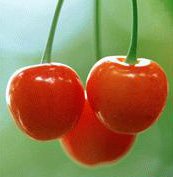
Arthritis hurts. But fresh cherries may help.
Results of a preliminary study by ARS scientists and their university colleagues suggest that some natural compounds in plump, juicy Bing cherries may reduce painful arthritic inflammation. Eating cherries may also help lessen the severity of other inflammatory conditions, such as cardiovascular disease or cancer.
Cherries already have a reputation for fighting inflammation. So what's new about the ARS study?
"Our test is among the first to track anti-inflammatory effects of fresh Bing cherries in a controlled experiment with healthy volunteers," says chemist Robert A. Jacob, who led the investigation. Jacob is now retired from the ARS Western Human Nutrition Research Center in Davis, California.
In previous studies at other laboratories, scientists analyzed extracts from sweet or tart cherries in vitro to learn more about the fruit's potential health-promoting properties. In contrast to these test-tube experiments, the California study is apparently the first to test key inflammatory disease indicators, or markers, in blood samples from healthy volunteers who were fed precise amounts of fresh Bing cherries. Reported in a 2003 issue of the Journal of Nutrition, the California investigation paved the way for a recent followup study at the Davis center.
Results of a preliminary study by ARS scientists and their university colleagues suggest that some natural compounds in plump, juicy Bing cherries may reduce painful arthritic inflammation. Eating cherries may also help lessen the severity of other inflammatory conditions, such as cardiovascular disease or cancer.
Cherries already have a reputation for fighting inflammation. So what's new about the ARS study?
"Our test is among the first to track anti-inflammatory effects of fresh Bing cherries in a controlled experiment with healthy volunteers," says chemist Robert A. Jacob, who led the investigation. Jacob is now retired from the ARS Western Human Nutrition Research Center in Davis, California.
In previous studies at other laboratories, scientists analyzed extracts from sweet or tart cherries in vitro to learn more about the fruit's potential health-promoting properties. In contrast to these test-tube experiments, the California study is apparently the first to test key inflammatory disease indicators, or markers, in blood samples from healthy volunteers who were fed precise amounts of fresh Bing cherries. Reported in a 2003 issue of the Journal of Nutrition, the California investigation paved the way for a recent followup study at the Davis center.
Monday, March 19, 2007
At Phase 3
Savient Pharmaceuticals, Inc. announced that it has reached its Phase 3 enrollment target of 200 patients total, in the two replicate placebo-controlled six-month clinical trials. The trials assess the safety and efficacy of Puricase in patients with treatment-failure gout, under the auspices of a Special Protocol Assessment from the U.S. Food and Drug Administration. Completion of the in-life portion of the Phase 3 trials is expected during the fourth quarter of this year, with release of top line results by year-end. "We are extremely pleased with the progress of the clinical development program for Puricase and now, having successfully reached our Phase 3 enrollment timeline, we remain on target for a Biologics License Application filing in early 2008," commented Christopher Clement, President and Chief Executive Officer of Savient. "We believe Puricase represents an important innovation in the care of gout patients, potentially delivering the first and only effective therapy for patients with treatment-failure gout." Puricase, a pegylated recombinant porcine urate oxidase, is being developed to control hyperuricemia and its clinical consequences in patients for whom conventional therapy is contraindicated or has been ineffective. The Phase 3 study design designates the normalization of uric acid during months 3 and 6 of the six-month trials as the primary endpoint. Secondary efficacy endpoints that define clinical outcomes such as the reduction in the burden of gout tophi, the occurrence of gout flares, and the reduction in the count of tender and swollen joints will be analyzed in a data set pooled from the two replicate studies numbers. "The Phase 3 program is progressing with a high degree of commitment shown by study participants and our clinical investigators," stated Zeb Horowitz, MD, Senior Vice President and Chief Medical Officer of Savient. "Up to this point, the tolerability of intravenous dosing has been good, with a low rate of infusion reactions across all placebo and Puricase infusions. Even more importantly, physicians appear to be highly successful in treating through infusion reactions when they do occur, just as in clinical practice with other infused biologicals. Patients and physicians continue to demonstrate satisfaction and confidence in the treatment, as evidenced by their participation in our Open Label Extension protocol in which patients can choose to receive Puricase or go on observation only after completion of their Phase 3 participation. Thus far, 100% of completed patients have chosen to enroll in the Open Label Extension protocol in order to receive Puricase treatment for 12 months beyond the six-month core Phase 3 trials." The company intends to allow patients currently in the screening process at the clinical sites to complete the screening and enroll in the Phase 3 clinical trials if they qualify, going somewhat beyond the 200 patient target of randomization. "The patients currently in screening have no alternative therapeutic option and should not be turned away," said Dr. Horowitz. "Allowing them to complete the screening process will translate into an extension of patient randomization for about two additional weeks, but it should not jeopardize subsequent key milestone dates. These patients and their physicians are truly anxious for a new therapy."
Thursday, March 15, 2007
Nutrition Tips for Gout Patients
Ingestion of foods high in purines can raise uric acid levels in the blood, which leads to painful gout attacks in some people. The excess can be due to either an over-production of uric acid by the body, or the under-elimination of uric acid by the kidneys. It is important to seek medical advice from your doctor.
Purines are important components of DNA and RNA. They are the genetic material of all living cells. They are part of the human tissue and are found in many foods.
Foods with a high purine content that should be avoided are: organ meat (liver, kidneys and pancreas), anchovies, sardines, herring (especially the head and entrails), fish roe, legumes (dried beans, dhal), yeast, meat extract, gravies, beer and other alcoholic beverages.
It is important to remember that purines are found in all foods, especially foods with high protein content. But we need protein to maintain good health. Lean meat (chicken, turkey and pork), tofu and beans (such as black, kidney and lima beans) are good sources of protein which should be consumed in moderation.
And although asparagus, cauliflower, mushrooms, peas, spinach, Chinese cabbage, whole grain breads and cereals contain purine, they do not increase the risk of gout if consumed in moderation.
A diet that is beneficial to people suffering from gout should be low in sugar and fat, but rich in fibre (or complex carbohydrates). In other words, have a balanced diet that includes fish, lean meat, whole grains, high-fibre rice, cereal, and fruits and vegetables, as well as a handful of nuts and seeds. Popular plant foods are: pineapple, banana, papaya, oranges, pears, apple, (blue, purple or red) berries, nangka, dragon fruit, watermelon and other melons, celery, kalian, sawi, cabbage, parsley, hot chilli, bell pepper, kunyit, loofah, lady’s finger, sweet potato leaves, ferns, and other green, leafy vegetables.
Avoiding purine-rich foods is only one aspect of treatment. Drink six to eight glasses of water a day, exercise, maintain a healthy body weight and follow medical advice.
Purines are important components of DNA and RNA. They are the genetic material of all living cells. They are part of the human tissue and are found in many foods.
Foods with a high purine content that should be avoided are: organ meat (liver, kidneys and pancreas), anchovies, sardines, herring (especially the head and entrails), fish roe, legumes (dried beans, dhal), yeast, meat extract, gravies, beer and other alcoholic beverages.
It is important to remember that purines are found in all foods, especially foods with high protein content. But we need protein to maintain good health. Lean meat (chicken, turkey and pork), tofu and beans (such as black, kidney and lima beans) are good sources of protein which should be consumed in moderation.
And although asparagus, cauliflower, mushrooms, peas, spinach, Chinese cabbage, whole grain breads and cereals contain purine, they do not increase the risk of gout if consumed in moderation.
A diet that is beneficial to people suffering from gout should be low in sugar and fat, but rich in fibre (or complex carbohydrates). In other words, have a balanced diet that includes fish, lean meat, whole grains, high-fibre rice, cereal, and fruits and vegetables, as well as a handful of nuts and seeds. Popular plant foods are: pineapple, banana, papaya, oranges, pears, apple, (blue, purple or red) berries, nangka, dragon fruit, watermelon and other melons, celery, kalian, sawi, cabbage, parsley, hot chilli, bell pepper, kunyit, loofah, lady’s finger, sweet potato leaves, ferns, and other green, leafy vegetables.
Avoiding purine-rich foods is only one aspect of treatment. Drink six to eight glasses of water a day, exercise, maintain a healthy body weight and follow medical advice.
Wednesday, March 14, 2007
New research results
Researchers have discovered a pivotal new player in early events that commit fat cell precursors to becoming full-blown fat, according to a report in the February issue of the journal Cell Metabolism, published by Cell Press. Drugs that block some activities of the enzyme, known as xanthine oxidoreductase (XOR), might therefore offer a novel antiobesity therapy designed to fight fat before it even forms, the researchers said. Known for its role in producing the metabolic byproduct uric acid, XOR had earlier been implicated in gout, said Jeffrey Friedman of The Rockefeller University, senior author of the study. Gout is a painful type of arthritis that results when uric acid crystals build up in the joints. "These findings are novel in many aspects," said Iphigenia Tzameli of Harvard Medical School, one of the study's first authors. "This enzyme was originally known in association with the catabolism of purines into uric acid, the production of reactive oxygen species, and its involvement in gout. It has never been looked at in the context of fat development before." The findings further suggest that adipose-tissue XOR may be a contributing factor to other symptoms commonly seen in obese individuals, including high blood levels of uric acid (hyperuricemia), the presence of plaque-forming lipids, and oxidative stress, the researchers added. The research team, which also included Kevin Cheung of The Rockefeller University, screened fat precursor cells for genes that switch on early in the path to fat formation. Using a novel method to rank genes, they found that XOR was at the top of the list of genes that fit the profile of a fat generator. Indeed, they found evidence that XOR controls PPAR-gamma a transcription factor considered to be the master regulator of fat production since it is both necessary and sufficient for adipose differentiation both in vitro and in vivo, the researchers said. Treatments that inhibited XOR activity in cells blocked fat formation and PPAR-gamma activity, the researchers reported. Likewise, increased XOR levels hiked activity of the PPAR-gamma receptor in both fat cells and fat cell precursors. Mice lacking XOR showed a 50% reduction in fat tissue mass compared to their normal littermates. Genetically obese mice exhibited increased XOR activity and urate in the adipose tissue. Urate is a salt derived from uric acid. "Our results identify XOR as a potential therapeutic target for metabolic abnormalities beyond hyperuricemia," the researchers said. "To our knowledge, there have not been studies designed to explore the effects of XOR inhibitors on body weight, and in light of our findings, such studies may be warranted," they added.
Tuesday, March 13, 2007
good milk, bad meat

If you want to prevent painful gout you should drink milk and dairy products. You should not, however, eat lots of red meat and seafood. This is according to a report in the New England Journal of Medicine. Dr. Hyon Choi, study leader, said that this is the first evidence that dairy products can be strongly protective against gout. Dr. Choi works at the Massachusetts General Hospital. Beans, peas, mushrooms, spinach and cauliflower do not seem provoke gout, the researchers said. People used to think they did. The team monitored 47,250 male health professionals. According to the team, if you eat an extra portion of beef, pork or lamb each day your risk of developing gout goes up by 21%.If you have an extra seafood meal a week you risk goes up by 7%. Strangely, this risk is most prevalent among men who are not overweight. If you drink one to five glasses of low-fat milk per day, your risk goes down by 43%, said Dr. Choi.
new drug!
The first new class of drug to emerge in 40 years for treating chronic gout has the potential to radically alter the outlook for thousands of patients unable to benefit from currently available therapies, says the drug's developer Savient Pharmaceuticals Inc. who presented Phase II data at this year's annual meeting of the European rheumatology community, EULAR. Puricase (PEG-Uricase), a drug currently in Phase III clinical trials has been shown in smaller trials to rapidly eliminate body stores of excess uric acid (urate). Uric acid can lead to the formation of crystals which are deposited in joint tissues where they accumulate as tophi causing pain and inflammation. Often these clump together to form disfiguring nodules. Gout has been described as the most painful of all rheumatological conditions. Savient Pharmaceuticals Inc, the small New Jersey-based company developing the treatment says Puricase is a polyethylene-glycolated recombinant version of the porcine enzyme, uricase. All mammals except humans and primates produce the uricase enzyme which breaks down uric acid leaving very low levels in the blood circulation with no untoward effects. Uricase converts uric acid to the more water-soluble metabolite allantoin that can be readily excreted. The drug is administered by two-hour intravenous infusions every two or four weeks and would probably be indicated initially for patients with hyperuricaemia - excess blood levels of uric acid resulting in severe tophaceous gout, resistant to or intolerant of conventional therapy. In the US around 3 to 5 million people suffer from gout and similar numbers are affected in Europe. A tendency to develop the condition is genetically determined but beer-drinking and consumption of purine-rich, high protein foods are implicated to a small extent in its development. Gout typically develops in men in their 40s or 50s or less frequently in women after menopause. Treatment is based either on inhibiting production of uric acid or increasing its excretion. In addition, tissue inflammation can be treated with colchicine or non-steroidal anti-inflammatory drugs (NSAIDs). Some 2 million people in the US are treated with allopurinol tablets - a drug that decreases the production of urate by inhibiting another enzyme, xanthine oxidase. Up to 5 per cent of patients are unable to tolerate allopurinol, however, because of adverse reactions of which the most serious is a life-threatening sensitivity reaction. In others, the drug can be ineffective. Approximately a quarter to one third of all gout sufferers - around half a million people in the US -develop tophi and gout flares despite conventional therapy, said Savient's Chief Medical Officer Zeb Horowitz. Puricase has been shown in Phase II trials to successfully and rapidly reduce plasma urate levels and gouty tophi. President and CEO Christopher Clement commented: "Puricase is increasingly being recognised among the rheumatological community as a potential breakthrough treatment for this orphan gout patient population." Anecdotal reports testify to patients on Puricase treatment finding themselves able to wear normal shoes again or use their fingers properly, he noted. Savient presented several posters at EULAR. One showed photographic and radiographic evidence of the dramatic effects that Puricase can achieve in individuals who have failed other treatments. Phase II data show 8mg of PEG-uricase every two weeks achieved rapid reductions in plasma urate to below target levels which were maintained 92 per cent of the study duration. Pre-treatment levels of 9.1mg/dl were reduced to a mean plasma urate level of 1.4mg/dl over 12 weeks. A level of 6mg/dl is required to avoid flares. Dr Herbert Baraf, a US rheumatologist and Puricase trialist from Wheaton, Maryland, US, said conventional treatment, if effective, reduces uric acid levels very slowly taking up to five years to obtain complete resolution of painful tophi. Puricase however is able to radically reduce uric acid crystal stores within three to 12 months. "Many physicians and patients believe older therapies are sub optimal and want better treatments," commented Dr Horowitz. Early intervention with Puricase as an alternative to conventional therapy could potentially prevent the accumulation of uric acid crystals that form tophi and keep patients from experiencing flares, he suggested. However, this would have to be the topic of further investigations. Puricase would need to be administered over six to 12 months only to eradicate body stores of uric acid. Because uric acid stores take decades to build up to the level where they cause symptoms, no further treatment might be needed. Most gout therapies however need to be taken regularly for life. Savient has world rights to Puricase, which was originally developed by researchers at Duke University in North Carolina, and will market it in the US itself. It is currently seeking a partnership with a European company to develop Puricase for the European gout market. By Olwen Glynn Owenglynnowen@macline.co.uk
Friday, March 9, 2007
Glimmer of hope for Gout patients
For over 100 years we have known that the intensely painful disease gout is caused by the accumulation of monosodium urate crystals (MSU) in joints. Now, in a study appearing in the August issue of the Journal of Clinical Investigation, Kenneth Rock and colleagues from University of Massachusetts Medical School uncover how these crystal deposits are recognized by the immune system and trigger acute and painful inflammation. Gout patients usually produce too much uric acid or are unable to efficiently excrete the uric acid excess. Rock and colleagues had previously shown that uric acid released from "damaged cells" in the body forms MSU crystals, which act as a "danger signal" that stimulates the immune response into action. The same group now shows that, in mice, MSU crystals are internalized by monocytes, resulting in the processing and maturation of the molecule pro-IL-1beta to its biologically active form IL-1beta. IL-1beta activates the IL-1beta receptor on cells around the MSU crystal-laden joints, which recruits the protein MyD88. This triggers the production of inflammatory molecules, resulting in painful joint inflammation. Surprisingly, the inflammatory reaction does not involve Toll-like receptors, which usually recognize foreign pathogens and trigger immune cell responses. In an accompanying commentary, Laurie Glimcher from Harvard Medical School comments that, "the study of the physiological function of IL-1beta in human gouty inflammation will undoubtedly provide new therapeutic tools to better manage the acute inflammation episode in patients with gout."
Non-Profit Group Launches Educational Web Site For Gout Sufferers
The Gout & Uric Acid Education Society, a non-profit group of health care professionals, today launched http://www.gouteducation.org , a valuable educational resource for gout sufferers and their caregivers. The Web site is designed to help gout sufferers enhance their understanding of the disease and its treatments, embrace lifestyle modifications and, ideally, restore some control and spontaneity to their lives."Many people think gout died with Ben Franklin, but more than two million people in the United States suffer with gout today," said N. Lawrence Edwards, M.D., Chairman and CEO of the Gout & Uric Acid Education Society and Professor and Vice-Chair of the Department of Medicine at the University of Florida, Gainesville. "We formed the Gout & Uric Acid Education Society and launched this Web site to educate the public and the health care community about gout and the related health care consequences of hyperuricemia, with the aim of improving the quality of care and minimizing the burden of gout. Our site is a one-stop resource for gout sufferers and their caregivers."The Society's Web site, http://www.gouteducation.org, provides information on risk factors and triggers of gout, diagnosis, lifestyle and diet adjustments and treatments to manage the disease, among other relevant topics. Additional information will be added to the site on an ongoing basis. The site text is adapted from the Gout & Uric Acid Education Society's brochure About Gout: What you need to know about gout and uric acid.
Thursday, March 8, 2007
Horrible news!
People with gout are at increased risk of having a heart attack, according to a University of Pittsburgh School of Medicine study published in the August edition of the journal Arthritis & Rheumatism. The article is available on line at http://www3.interscience.wiley.com/cgi-bin/jhome/76509746. This is the first study to show that among men with no previous history of coronary artery disease, gout is a significant independent risk factor of heart attack. Gout is a metabolic disease marked by acute arthritis and inflammation of the joints, usually beginning in the knee or foot. It is caused by hyperuricemia, a build up of uric acid in blood. When chronic or severe hyperuricemia leads to urate crystals within joints, it results in an inflammatory response that manifests as gouty arthritis. "Our study confirms that gouty arthritis is an independent risk factor for myocardial infarction (MI) or heart attack. Until now this relationship has not been explained by well-known links to renal function, metabolic syndrome, diuretic use and the traditional cardiovascular risk factors," said Eswar Krishnan, M.D., assistant professor of medicine at the University of Pittsburgh School of Medicine, division of rheumatology, and principal author of the study. The prospective study examined data from 12,866 men who were enrolled for a mean of 6.5 years in the Multiple Risk Factor Intervention Trial (MRFIT), a randomized primary cardiovascular disease prevention trial conducted and supported by the National Heart, Lung and Blood Institute. There were 5,337 men with hyperuricemia at the beginning of the study. Over the study period, 1,123 individuals developed gouty arthritis. There was no statistically significant difference between the groups with regard to cholesterol levels, aspirin use, family history of acute MI, or diabetes mellitus. However, the group with gout was significantly more likely to have used diuretics and alcohol. Modest yet statistically significant elevations of blood pressure, age, blood glucose and body mass index were observed in the gout group. Subjects in the group with gout were less likely to be current smokers than were those in the group without gout. During the course of the study, 1,108 events of acute MI occurred in the group with gout (10.5 percent) and 990 events in the group without gout (8.43 percent). Of the 1,108 MIs, 246 were fatal. The study also found a relationship between gout and the risk of acute MI to be present among nonusers of alcohol, diuretics or aspirin and among those who did not have metabolic syndrome, diabetes mellitus or obesity. "The absolute magnitude of the relative risk for the presence of gout was not high. Yet, the odds ratio associated with gout was relatively high compared to other risk factors in this study," Dr. Krishnan said. "For acute MI to occur, an environment that promotes atherogenesis and thrombogenesis is needed. Hyperuricemia is well known to be an independent risk factor for atherosclerotic diseases in general and since chronic hyperuricemia is strongly associated with gout, it is not very surprising that an independent coronary risk for the presence of both hyperuricemia and gout was observed."
Tuesday, March 6, 2007
sad, but true news
Results of a new survey show that two-thirds (65 percent) of gout patients ranked their typical gout flares -- defined as a sudden, intense pain -- as either close to, or the worst pain possible and say that the flares last an average of eight days. Seventy-two percent reported having experienced at least one flare within the last 12 months. The online survey of 321 gout patients was conducted by Harris Interactive(R) on behalf of Savient Pharmaceuticals, Inc. (Nasdaq: SVNT), whose drug Puricase(R) (PEG-uricase), is currently in Phase 3 development in symptomatic gout patients who have failed previous therapies. The survey results were released today just prior to the 2006 American College of Rheumatology Annual Scientific Meeting in Washington, D.C. The majority of surveyed gout patients reported that a gout flare has a major or extreme impact on walking (75 percent), putting on shoes (71 percent), and participating in recreational sports and activities (70 percent). About one in five (21 percent) employed gout patients say that they have missed work in the last year due to a gout flare, with 23 percent of those respondents saying they missed seven work days or more.(1) While more than half (57 percent) of gout sufferers see a doctor for treatment, only 13 percent reported seeing a rheumatologist, the type of physician who specializes in rheumatic disorders such as gout, whereas 80 percent see a primary care physician. "These survey findings confirm that gout is an excruciating and debilitating form of arthritis that can negatively affect daily activities, lifestyle and work productivity," said N. Lawrence Edwards, MD, Professor of Medicine, Rheumatology and Clinical Immunology, University of Florida College of Medicine, and Chairman and CEO of the newly launched Gout & Uric Acid Education Society, a non-profit, patient advocacy organization created to educate patients and healthcare providers about gout and the related consequences of hyperuricemia (http://www.gouteducation.org). "The prevalence of gout has steadily increased in recent decades due to a variety of dietary and lifestyle changes, obesity, greater use of medications that can cause high uric acid levels, and the aging population. Fortunately for patients, the first new prescription treatments for gout in 40 years are being developed."
Monday, March 5, 2007
surprising news!
Climatic factors such as heat and humidity that lead to dehydration can signal a future attack for gout sufferers, according to research presented this week at the American College of Rheumatology Annual Scientific Meeting in Washington DC.Gout, caused by deposits of monosodium uric crystals, causes severe pain and swelling of the joints. The attacks, which typically affect one joint over a period of a few days, most often the big toe, can also generate fever, chills, a general feeling of malaise and rapid heartbeat. Depleting the body of fluids through perspiration has been long considered a potential trigger for recurrent gout attacks.To test the suspected effects of humidity and temperature on the chances of recurrent attacks, researchers recruited 197 individuals who had experienced a gout attack within the past year. Participants were asked to log onto a study Web site when they experienced a gout attack and complete a questionnaire on the risk factors they had experienced the two days prior (known as the hazard period). They also were asked to complete the same questionnaire on experiences over a two-day control period. Climatic data on temperature, barometric pressure, humidity and precipitation for each participant's zip code, obtained from the National Oceanic and Atmospheric Administration, was then compared between hazard period and control period with adjustments made for alcohol consumption, purine intake and diuretic use.Results indicated that high temperature and high humidity were strongly associated with increased risk of a recurrent gout attack. The risk of recurrent attacks increased by almost two-fold when the maximum daily temperature increased from 0-53° F to 87-105° F. A similar magnitude of increased risk also was found when the humidity increased from the dew point of 4-32°F to 64-77°F. Barometric pressure and precipitation appeared to have no influence.
Saturday, March 3, 2007
Gout Overview
Gout is one of the most painful rheumatic diseases. It results from deposits of needle-like crystals of uric acid in connective tissue, in the joint space between two bones, or in both. These deposits lead to inflammatory arthritis, which causes swelling, redness, heat, pain, and stiffness in the joints. The term arthritis refers to more than 100 different rheumatic diseases that affect the joints, muscles, and bones, as well as other tissues and structures. Gout accounts for approximately 5 percent of all cases of arthritis.
Pseudogout is sometimes confused with gout because it produces similar symptoms of inflammation. However, in this condition, also called chondrocalcinosis, deposits are made up of calcium phosphate crystals, not uric acid. Therefore, pseudogout is treated somewhat differently and is not reviewed in this booklet.
Uric acid is a substance that results from the breakdown of purines, which are part of all human tissue and are found in many foods. Normally, uric acid is dissolved in the blood and passed through the kidneys into the urine, where it is eliminated. If the body increases its production of uric acid or if the kidneys do not eliminate enough uric acid from the body, levels of it build up in the blood (a condition called hyperuricemia). Hyperuricemia also may result when a person eats too many high-purine foods, such as liver, dried beans and peas, anchovies, and gravies. Hyperuricemia is not a disease and by itself is not dangerous. However, if excess uric acid crystals form as a result of hyperuricemia, gout can develop. The excess crystals build up in the joint spaces, causing inflammation. Deposits of uric acid, called tophi (singular: tophus), can appear as lumps under the skin around the joints and at the rim of the ear. In addition, uric acid crystals can collect in the kidneys and cause kidney stones.
Pseudogout is sometimes confused with gout because it produces similar symptoms of inflammation. However, in this condition, also called chondrocalcinosis, deposits are made up of calcium phosphate crystals, not uric acid. Therefore, pseudogout is treated somewhat differently and is not reviewed in this booklet.
Uric acid is a substance that results from the breakdown of purines, which are part of all human tissue and are found in many foods. Normally, uric acid is dissolved in the blood and passed through the kidneys into the urine, where it is eliminated. If the body increases its production of uric acid or if the kidneys do not eliminate enough uric acid from the body, levels of it build up in the blood (a condition called hyperuricemia). Hyperuricemia also may result when a person eats too many high-purine foods, such as liver, dried beans and peas, anchovies, and gravies. Hyperuricemia is not a disease and by itself is not dangerous. However, if excess uric acid crystals form as a result of hyperuricemia, gout can develop. The excess crystals build up in the joint spaces, causing inflammation. Deposits of uric acid, called tophi (singular: tophus), can appear as lumps under the skin around the joints and at the rim of the ear. In addition, uric acid crystals can collect in the kidneys and cause kidney stones.
Friday, March 2, 2007
Gout affects up to 500,000 (1 in 30) Canadians.
Men are at least four times more likely to develop gout than women
It occurs more frequently in countries that have a high standard of living.
Men who develop gout usually do so between the ages of 30 and 50. Women are more likely to develop gout after the age of 60.
Gout has been recognized since antiquity: the Ancient Greek physician Hippocrates described it almost 2500 years ago. It was previously referred to as the 'king of diseases' and the 'disease of kings' as it commonly occurred in royal families. Nowadays, gout mostly occurs in those countries with a high standard of living. For instance, it has been rare in China, Polynesia and the Philippines, but when people born in these countries move to areas with a higher standard of living their incidence of gout has also tended to increase.
This suggests that environmental factors play a major role in the disease. Genetic predisposition may also be a factor.
Gout is predominantly a disease of adult men. It is the most common cause of inflammatory arthritis in men over age 40, and men have at least four times greater likelihood of developing gout than women. Gout is uncommon in men under 30 years of age, and often occurs between the ages of 40 and 50. Women rarely develop gout before reaching menopause, and more often do after the age of 60.
Men are at least four times more likely to develop gout than women
It occurs more frequently in countries that have a high standard of living.
Men who develop gout usually do so between the ages of 30 and 50. Women are more likely to develop gout after the age of 60.
Gout has been recognized since antiquity: the Ancient Greek physician Hippocrates described it almost 2500 years ago. It was previously referred to as the 'king of diseases' and the 'disease of kings' as it commonly occurred in royal families. Nowadays, gout mostly occurs in those countries with a high standard of living. For instance, it has been rare in China, Polynesia and the Philippines, but when people born in these countries move to areas with a higher standard of living their incidence of gout has also tended to increase.
This suggests that environmental factors play a major role in the disease. Genetic predisposition may also be a factor.
Gout is predominantly a disease of adult men. It is the most common cause of inflammatory arthritis in men over age 40, and men have at least four times greater likelihood of developing gout than women. Gout is uncommon in men under 30 years of age, and often occurs between the ages of 40 and 50. Women rarely develop gout before reaching menopause, and more often do after the age of 60.
Subscribe to:
Posts (Atom)
